Understanding the Physiology of Pain, Pressure, and Movement During Pregnancy
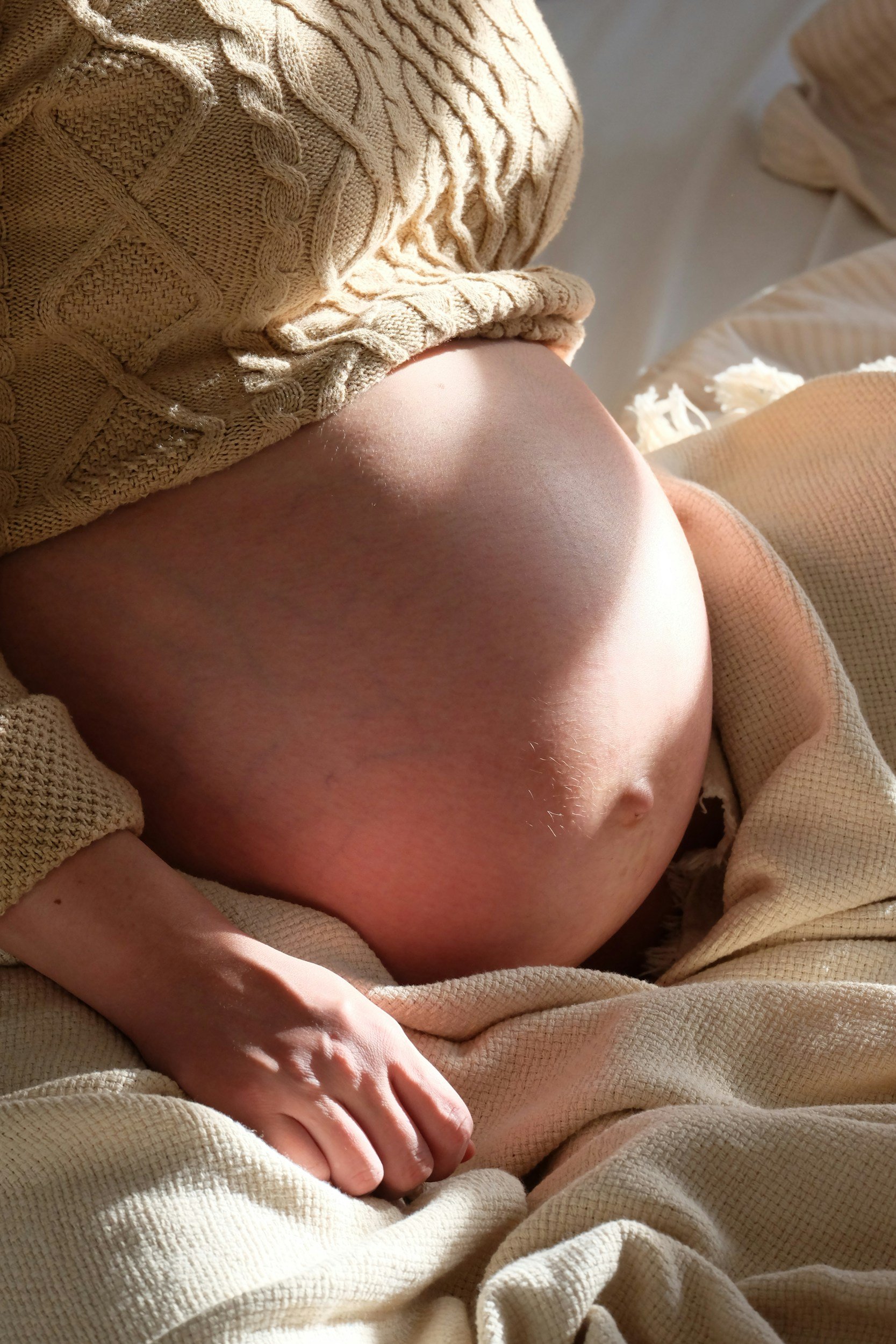
Pregnancy is often described as a “beautiful” time, but from a structural standpoint, it is also one of the most mechanically demanding adaptations the body will ever go through. Osteopathy during pregnancy goes well beyond self-care, it’s a way to understand and support the profound anatomical changes that influence comfort, mobility, and function.
As the uterus expands, the body reorganizes posture, breath mechanics, soft tissue tension, and joint loading to accommodate a growing fetus. These adaptations are normal… but they aren’t always comfortable. Many of the aches, pains, and limitations women experience have clear biomechanical explanations.
Below are some of the most common contributors to pain during pregnancy, and how osteopathy can help restore ease and efficiency.
Pelvic Pain & Pelvic Floor Tension
The pelvis undergoes rotational, pressure, and ligamentous changes throughout gestation. With relaxin increasing ligament laxity, the pelvic floor and deep hip stabilizers often work overtime to create stability.
This can contribute to:
SI joint pain
Pubic symphysis discomfort
Pelvic floor tightness
Round ligament tension
Osteopathic techniques can help improve mobility in the pelvis, reduce mechanical load, and support better pressure distribution.
Low Back Pain & Sciatica
Changes in lumbar curvature, increasing load through the spine, and altered recruitment of abdominal muscles can all contribute to:
Facet irritation
Disc sensitivity
Muscular tension
Sciatic nerve compression
By improving rib, diaphragm, lumbar, and pelvic mobility, osteopathy helps the spine handle these postural changes more efficiently.
Upper Back Stiffness & Headaches
As the center of gravity moves forward, the thoracic spine stiffens to maintain balance. The head migrates slightly forward, increasing load on the suboccipital muscles.
This can lead to:
Tension headaches
Neck stiffness
Thoracic outlet symptoms (tingling, numbness)
Breathing fatigue
Osteopathic work through the ribs, cervical spine, and cranial fascia can restore ease of movement and reduce strain.
Edema & Lymphatic Congestion
Fluid volume increases during pregnancy, but areas of restriction — especially at the thoracic inlet, diaphragm, or pelvis — can create “bottlenecks” that alter lymphatic flow.
Symptoms may include:
Swelling
Heaviness
Fatigue
Tissue discomfort
Gentle, rhythmic osteopathic techniques help improve fluid movement and support lymphatic efficiency.
Digestive Changes
Progesterone slows digestion and relaxes the lower esophageal sphincter, contributing to:
GERD
Constipation
Bloating
Pressure discomfort
Osteopathy addresses diaphragm mobility, abdominal fascial tension, and areas of congestion to support healthier motility.
To My Mothers:
Reducing pain and restriction during pregnancy isn’t just about comfort, it’s about maintaining movement, supporting sleep, reducing stress load, and helping your body adapt more efficiently.
Pregnancy reshapes the body — osteopathy helps ensure it reshapes you for the better.