Osteopathy in (skating) Practice
In professional sports, there’s little room for guesswork.
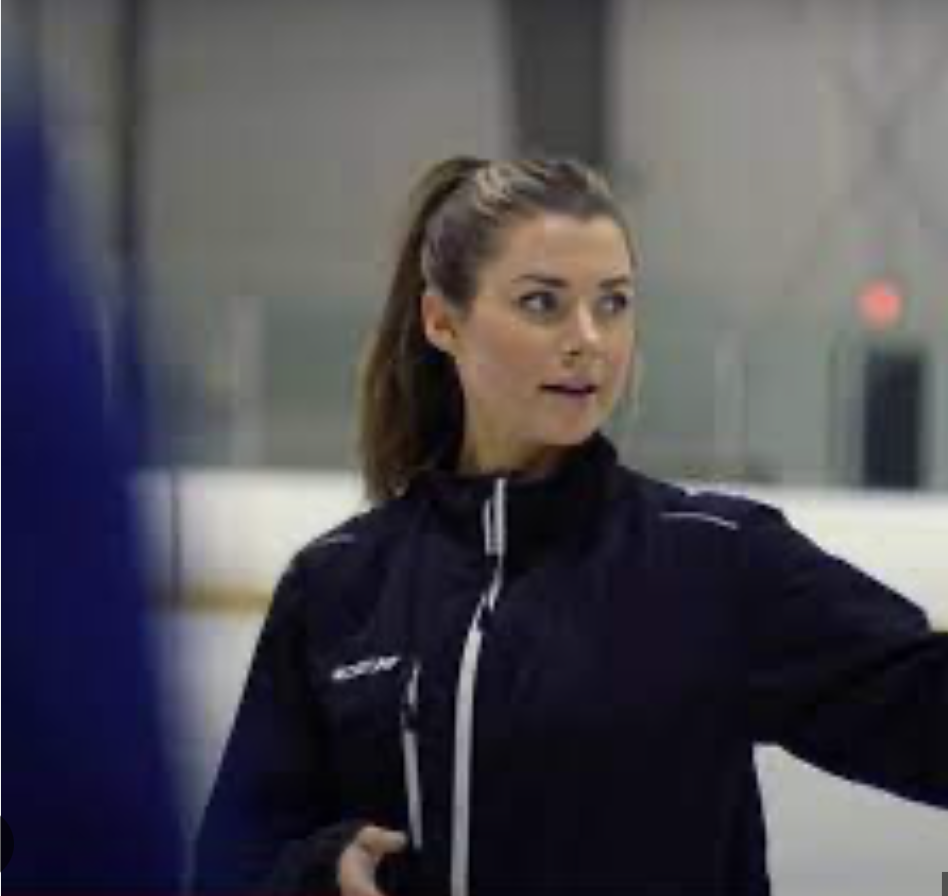
Working with NHL players for over 7 years as a skating consultant, my job wasn’t just to fix a movement pattern or design a skating program, it was to orchestrate dozens of moving parts into one synchronized push toward peak performance.
Each player came to me with a ten week window, finite energy, and an already packed schedule. Development camps, rookie showcases, agency clinics and summer leagues all competing for their time, promising the greatest off-season gains. With a team of trainers, strength coaches, agents, nutritionists, management, and passionate parents all invested in the outcome, any opportunity to work with a player had to guarantee results.
In my practice, I used a principle-based approach to teaching players about their skating efficiency— how to get the most out of every stride, transition and breakout to
1) improve their performance
2) reduce risk of injury from improper skating technique (either acute or chronic injury)
Much like osteopathy for the general population client, the magic is in the assessment and osteopathic structural diagnosis. I worked to identify the highest-impact variables, the two or three mechanical levers that change the most, and double down on that. Is their lack of power in their stride driven by pelvic mechanics? Is their end of shift burn out a result of postures impacting breathing capacity? Is their turning radius limited by thoracic mobility? Is the blade mounted correctly to properly distribute weight and maintain center of gravity?
Once we identify the priority, we would cycle through assessment, intervention, reassessment, integration and repeat.
When players see results in the work you’re doing together, that’s a great first step, but the real test is in integration: whether it will translate into game performance.
The same is true for every osteopathic patient I see. While I love to reduce pain and improve movement quality on the table, real results must be able to be sustained on their own. This is built on patient education, body awareness and empowerment to help patients understand how they can made adaptations outside of the treatment room to make adjustments that are long-lasting.