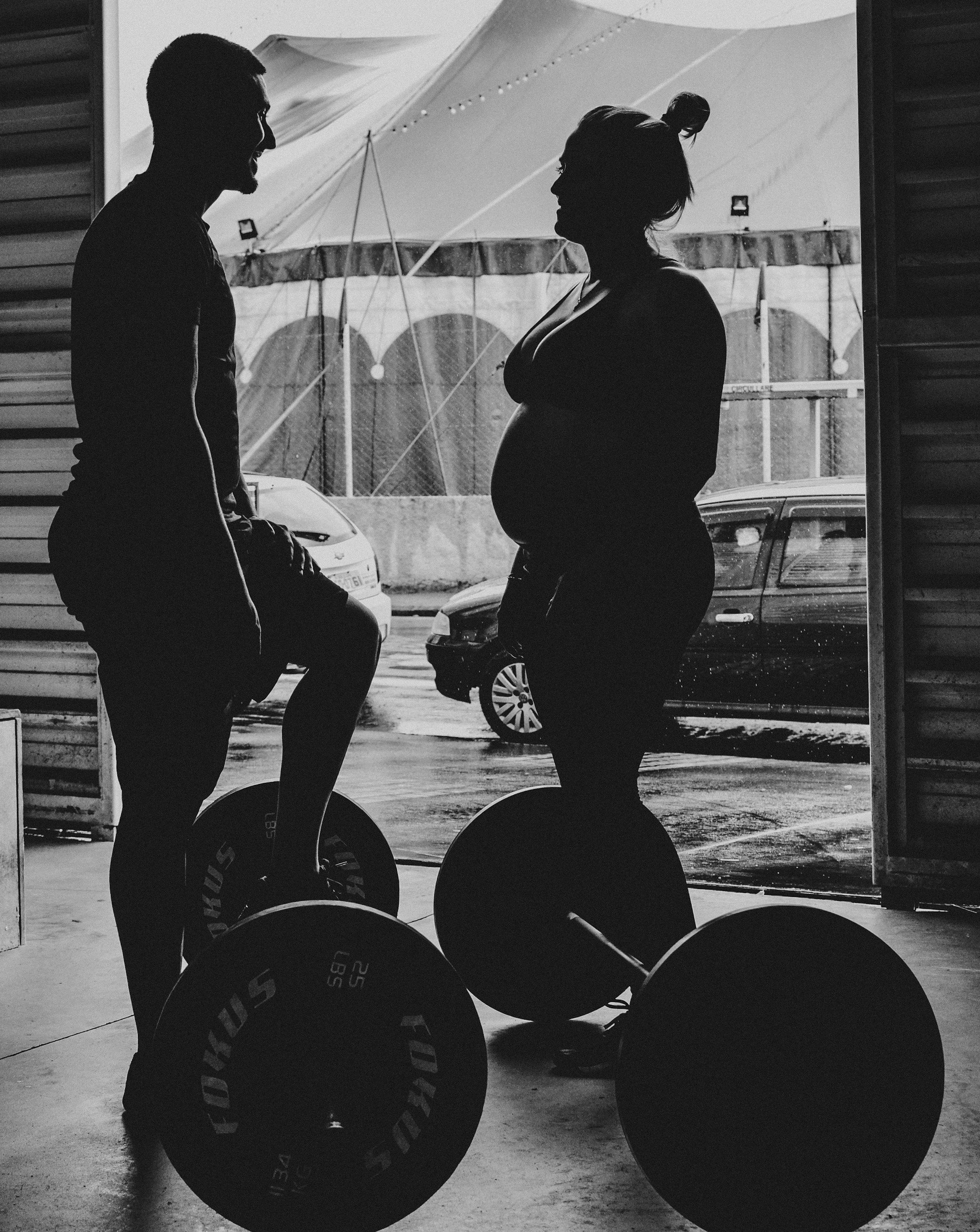
Why Strength Training During Pregnancy Matters
Working out in pregnancy isn’t about “bouncing back,” in fact, it couldn’t be anything further.
It’s about giving your body the physical resources it requires while it’s doing one of the most demanding jobs it will ever take on.
If you’re currently expecting, you know your body is changing quickly. There are postural shifts, your connective tissue softens, blood volume climbs, digestion slows, and every system works harder than it did before. Your body should have the support that matches the actual demands of pregnancy and birth, not the outdated advice to “take it easy”.
Strength training doesn’t make pregnancy harder.
It makes pregnancy work better for you.
Improved Circulation
With nearly 50% more blood volume, your body’s circulatory and lymphatic systems rely heavily on movement to prevent swelling, heaviness, and that end-of-day “my legs feel like cement” feeling.
Strength training improves circulation by:
pumping fluid more efficiently
reducing swelling
increasing oxygen to tissues
helping you feel lighter and more energized
Movement should be a tool, not an obligation.
Better Digestion
If you’ve been pregnant, you know digestion can feel unpredictable. It can cause reflux, bloating, constipation, and increased pressure.
Strength training supports digestion by:
improving how the diaphragm moves
helping the abdominal wall support your organs
enhancing natural gut motility
regulating intra-abdominal pressure
Your digestive system needs space, movement, and support, and gentle physical movement provides just the trick.
Increased Metabolic Health
Pregnancy requires more metabolic flexibility — your body is fueling two humans.
Strength training helps stabilize your metabolism by:
improving energy output
balancing blood sugar
reducing fatigue
supporting healthy weight gain
This isn’t about dieting or restriction. It’s about keeping your system working efficiently while it’s under heightened demand.
Better Insulin Sensitivity
As pregnancy progresses, your body naturally becomes more insulin resistant. Some women are at greater risk of developing gestational diabetes.
Strength training:
increases how muscle uses glucose
improves insulin sensitivity
stabilizes blood sugar
reduces metabolic stress
Muscle mass works as a glucose reservoir and is one of the most powerful tools for lowering gestational diabetes risk, helping you feel more stable throughout the day and healthy throughout your pregnancy.
Stress Management & Mood Support
Pregnancy is full of emotional highs and lows: excitement, overwhelm, joy, exhaustion, all at once. Add sleep changes, discomfort, pain, anxiousness for what is to come, and your nervous system is working overtime.
Strength training supports mental and emotional well-being by:
releasing endorphins
improving sleep quality
lowering anxiety
reducing physical tension
decreasing sensory overload from pain
Preservation of Muscle Mass
Life doesn’t get easier postpartum, in many ways delivery is just the beginning.
In the early days of motherhood you can expect:
feeding for hours
lifting car seats
carrying strollers, groceries, and diaper bags
rocking, bouncing, and holding a rapidly growing baby
reaching into the back seat
functioning on less sleep than you thought possible
Bone Density Support
Your baby pulls minerals from your body, especially calcium for bones and teeth. Weight-bearing exercise helps prevent the loss by:
stimulating osteoblast activity
maintaining bone density
protecting long-term skeletal health